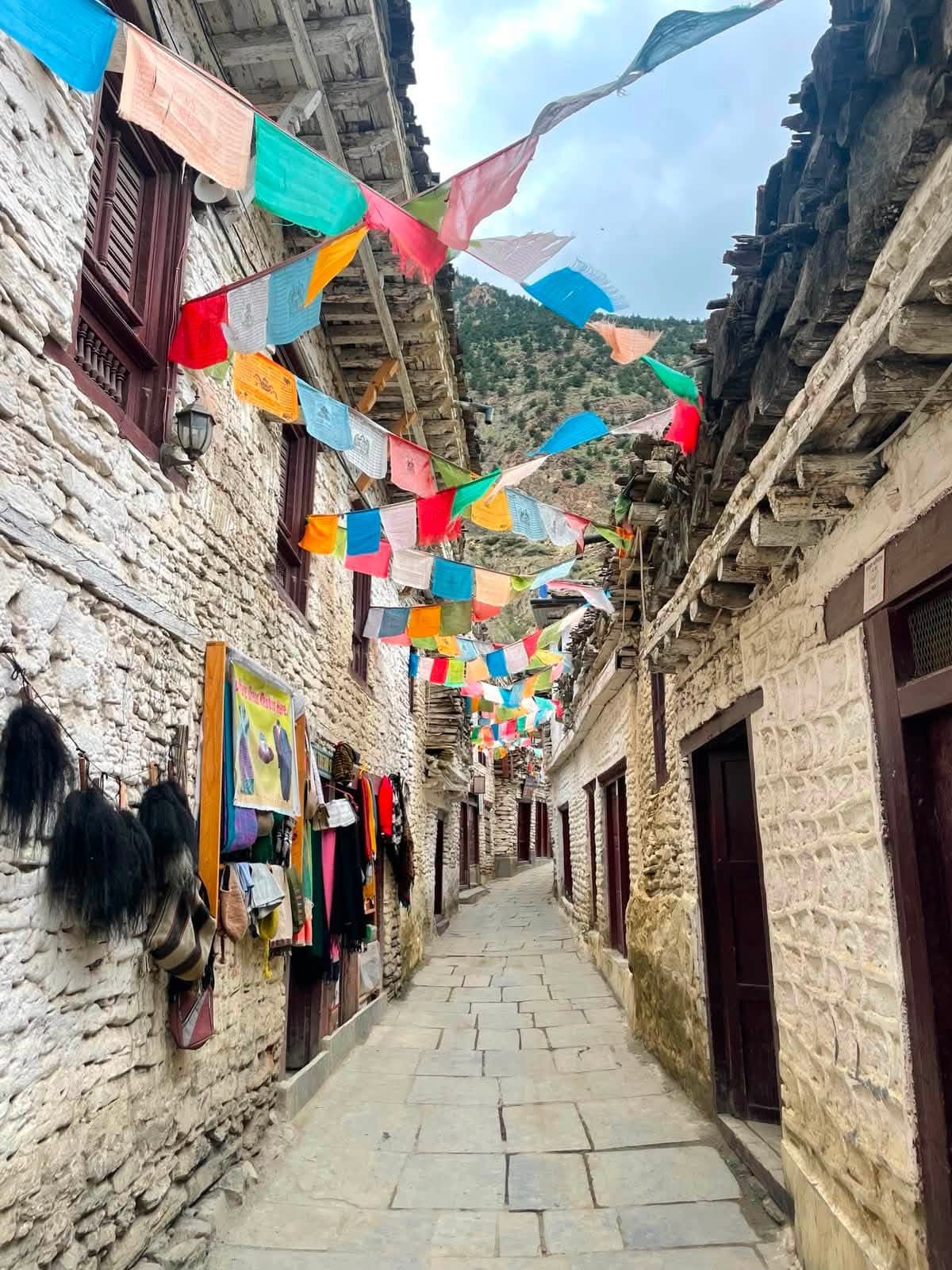
Nepal Honeymoon from India: Complete Travel Guide for Couples

The honeymoon guide covers why Nepal suits Indian couples: no visa needed, a familiar culture, Himalayan views and wildlife, and costs that work in INR. It lists the documents required (passport or original Voter ID), how to arrive by air or overland, and itineraries from 5 to 14+ days. It also covers hotels by budget, food, a ten-day budget of roughly INR 85,000 to 1,90,000 per couple, and the best times to go (October and November, then March and April).
Nepal is the easiest international honeymoon destination available to Indian couples. No visa. Voter ID accepted as a travel document. No currency conversion at destination since Indian rupees are accepted in many places, though Nepali rupees are the better currency to carry. Direct flights from most Indian metros in under three hours, or an overland crossing that turns the journey itself into the beginning of the trip.
These practical advantages matter, but they are not the reason Nepal makes a genuinely good honeymoon choice for Indian couples. The reason is what Nepal offers that Goa, Kerala, Coorg, or the Andamans do not: Himalayan mountain views at close range, a living Tibetan Buddhist culture that no Indian city produces, wildlife in the Terai that includes one-horned rhinoceroses and wild tigers, and a combination of ancient Hindu temple tradition and Buddhist heritage that resonates with Indian couples in ways that a beach resort does not reach.
This guide is written specifically for Indian couples planning a Nepal honeymoon tour, covering the travel documentation, the best entry points by mode of travel, the itinerary options by duration, the accommodation recommendations across price points, and the honest assessment of what Nepal delivers that makes the trip worth choosing over the domestic alternatives.
Why Indian Couples Specifically Benefit from Nepal
Beyond the no-visa advantage, Nepal has a specific cultural resonance for Indian couples that the standard Nepal tourism content aimed at Western visitors does not fully address. This is one of the reason why a lot of indian couple plan Nepal trip package for their honeymoon
Muktinath temple at 3,710 metres in the Mustang district is one of 108 Divya Desams in the Vaishnava tradition and the only one outside the Indian subcontinent. Pashupatinath in Kathmandu is one of the most significant Shaivite temples in the world and attracts more Indian pilgrims than any other demographic group. Lumbini is the birthplace of Gautama Buddha, a site of profound significance for Buddhist and Hindu Indian visitors alike.
The cultural familiarity that India and Nepal share across religion, language, and food means Indian couples navigate Nepal with less of the cultural disorientation that international travel to genuinely foreign destinations produces. The dal bhat that is Nepal's staple meal is recognisable from North Indian food traditions. The Hindu festival calendar Nepal follows is the same calendar the couple celebrates at home. The language barrier, where it exists at all, is bridged by Hindi in most tourist contexts.
This familiarity is a comfort dimension that the honeymoon context specifically values. A first international trip together is easier when the cultural framework is familiar enough to be negotiable rather than fully foreign.
Travel Documents Indian Couples Need
For Entering Nepal
Indian citizens do not require a visa for Nepal. Entry is on proof of Indian citizenship, accepted in two forms.
Before travelling, review the official entry requirements for Indian citizens to confirm which identification documents are accepted.
A valid Indian passport is the stronger document and the one recommended for a honeymoon itinerary that includes temple visits and permit processing. Several permit applications in Nepal, including the Annapurna Conservation Area Permit and any restricted area permits, require a passport for the application.
An original Voter ID card is accepted at the Nepal border and at most checkpoints within the country. Couples travelling without a passport should confirm with any tour operator or hotel whether the Voter ID is sufficient for any specific permits their itinerary requires.
Whichever document is carried, it must be the original. Photocopies and phone photographs of documents are not accepted at the Nepal border.

If Driving into Nepal by Car or Bike
Indian vehicles entering Nepal require a Bhansar permit issued at the border customs office. The fee for motorcycles is NPR 150 per day, for cars it is NPR 500 per day. The maximum stay for an Indian vehicle in Nepal is 30 days. Indian driving licences are valid in Nepal without an International Driving Permit.
Indian motor insurance does not cover Nepal. A Nepal third-party insurance policy is available from providers near the border crossings and should be purchased before leaving the border town. The cost is modest and the requirement is enforced at checkpoints within Nepal.
How to Reach Nepal from India
By Air
The fastest and most convenient option for most Indian couples is to fly to Kathmandu's Tribhuvan International Airport. Direct flights operate from Delhi, Mumbai, Bangalore, Chennai, Hyderabad, Kolkata, Varanasi, and several other Indian cities. The flight time from Delhi and Kolkata is approximately one and a half hours. From Mumbai and Bangalore it is approximately two and a half to three hours.
For current route information, check the Nepal Tourism Board's flight information before booking.
Pokhara International Airport, which opened in 2023, receives limited international flights and is worth checking for direct connections that skip the Kathmandu stop for couples planning a primarily Pokhara-centred honeymoon.
Flight prices vary significantly by season. October, the peak Nepal tourism month, sees elevated airfares from Indian cities. March and April flights are generally more affordable while still offering excellent weather at the destination. Booking two to three months in advance produces better prices than last-minute planning.

By Train and Road to the Border
For couples from the border states of Uttar Pradesh, Bihar, Uttarakhand, and West Bengal, the overland approach is a genuine and often romantic option for the outward or return journey.
The main border crossings accessible by road and used by Indian tourists are Sunauli-Bhairahawa in Uttar Pradesh, the most convenient for couples heading to Pokhara and the Annapurna region; Raxaul-Birgunj in Bihar, which connects to Kathmandu via the Prithvi Highway; and Kakarbhitta-Mechi in West Bengal, used by couples from West Bengal and the Northeast.
You can also review the official land entry points for Nepal when choosing your road route.
Trains from major Indian cities connect to the border-adjacent towns. From Gorakhpur, the bus or taxi to Sunauli takes approximately two hours. The border crossing at Sunauli is a straightforward pedestrian crossing with no visa processing required. Buses, shared taxis, and tourist coaches connect the Nepal side at Bhairahawa to Pokhara in approximately four to five hours.
The overland crossing adds time but gives the journey a beginning that flying removes. Crossing into Nepal at Sunauli and watching the landscape change as the bus climbs toward Pokhara through the Nepali mid-hills is the version of arrival that some couples specifically value.
Honeymoon Itineraries by Duration
5 to 6 Days: The Short Circuit
A five to six day Nepal honeymoon from India works best as a Kathmandu and Pokhara combination, which is the simplest two-city circuit and the one that requires the least travel time between its components.
Two nights in Kathmandu covers the Durbar Squares, Pashupatinath temple, and Boudhanath Stupa, alongside a heritage hotel dinner and the Thamel shopping area for handicrafts. Two nights in Pokhara covers the Phewa Lake lakeside area, the Sarangkot or Poon Hill sunrise viewpoint, and the Annapurna reflection that the lake's still morning surface provides. The flight between Kathmandu and Pokhara is 25 minutes.
This short circuit is suitable for couples with limited leave who want Nepal's most accessible version without the extended travel time of a longer circuit.
7 to 9 Days: The Standard Honeymoon Circuit
Seven to nine days allows the addition of Chitwan National Park to the Kathmandu-Pokhara base and is the itinerary that most Nepal travel operators recommend for a first visit.
Two nights Kathmandu, two nights Pokhara, two nights Chitwan, one night back in Kathmandu or directly to the departure airport. The Chitwan addition gives the wildlife dimension that differentiates a Nepal honeymoon from a city and lake trip, and the jungle lodge character of the better Chitwan properties adds a specific romance that the mountain accommodation category does not provide.
The travel between components can be done by air, by tourist bus, or by a combination. The Kathmandu to Pokhara flight is 25 minutes. Pokhara to Chitwan by road is approximately five hours or 25 minutes by air. The flexibility of transport choices is part of what makes the seven to nine day circuit customisable.

10 to 12 Days: The Complete Nepal Honeymoon
Ten to twelve days allows one or two additional elements that the shorter circuits do not accommodate.
Bandipur or Nagarkot for a mountain-view overnight. Bandipur is the preserved Newari trading town on a ridge above the Marsyangdi valley with sunrise views of Manaslu and the Annapurna range. Nagarkot is the closest Himalayan viewpoint to Kathmandu and the place where the eastern Himalayan range from Ganesh Himal to Everest is visible on clear mornings. Either one adds a specific quality to the circuit that neither Kathmandu nor Pokhara's hotels replicate.
Lumbini, the birthplace of the Buddha, in western Nepal is a half-day flight or a five-hour drive from Kathmandu. For couples for whom the pilgrimage dimension of Nepal matters, Lumbini's Maya Devi Temple and the monastery zone surrounding it add a specific experience to the circuit that the cultural sites of Kathmandu approach but do not duplicate.
For adventurous couples with twelve days available, the addition of a short Pokhara-area foothills walk, two to three days on a scenic trail with mountain views and village guesthouses, turns the Nepal honeymoon into a trip that includes both the luxury hotel and the mountain trail experience. This is the version of Nepal that most couples who have been once try to replicate on a return visit and wish they had done on the first.
14 Days or More: The Upper Mustang Extension
For couples with fourteen days and an appetite for the more extraordinary version of Nepal, the Upper Mustang circuit from Pokhara, accessible by motorcycle, jeep, or a combination of the two, adds the dimension that transforms a Nepal holiday into the trip most couples describe as the best they have taken together.
The restricted area north of Kagbeni, the high desert plateau of the ancient Kingdom of Lo, Lo Manthang's walled medieval city at 3,840 metres, and the Kali Gandaki gorge approach through the world's deepest river valley constitute a version of Nepal that the seven and ten day circuits do not reach and that no other destination in the region approximates.
The Upper Mustang Restricted Area Permit costs USD 50 per day for all international visitors including Indian nationals, and must be processed through a registered Nepal Tourism Board agency at least two weeks before the planned Kagbeni crossing.
Where to Stay: Accommodation by Budget and Experience
Luxury Tier
Kathmandu: The Dwarika's Hotel is the most celebrated property in Nepal, built from reclaimed traditional Newar brickwork and carved wood in a compound that functions as a museum of Nepal's architectural heritage as much as a hotel. The rooms are large, the cultural program is genuine, and the level of service is the closest Nepal reaches to international luxury hotel standards. Pricing from approximately INR 25,000 to INR 50,000 per night for a honeymoon suite.
The Gokarna Forest Resort occupies a former royal hunting ground on the eastern edge of the Kathmandu Valley with a forest setting and a 9-hole golf course that the Kathmandu city centre hotels cannot offer. The forest rooms and cottages have a seclusion that heritage properties in the old city do not produce.
Pokhara: Temple Tree Resort and Spa and Pavilions Himalayas are the Pokhara properties most frequently mentioned in honeymoon recommendations for their combination of mountain views, pool access, and service standard. Both are on the Lakeside strip that gives Phewa Lake and the Annapurna range access from the property.
Chitwan: Tiger Tops Tharu Lodge and Kasara Resort are the two properties that consistently appear at the top of Chitwan honeymoon recommendations. Both combine the jungle setting with accommodation quality that the park's cheaper lodges do not reach.

Mid-Range with Character
Kathmandu Valley: The heritage properties in Bhaktapur and Patan, including the Sunny Guest House Heritage in Bhaktapur and Newa Boutique Hotel in Patan, offer Newari heritage accommodation at a fraction of the Dwarika's pricing and with an authenticity of location, inside the medieval cities rather than adjacent to them, that the luxury properties cannot replicate.
Bandipur: Old Inn on Bandipur's main street is the recommended overnight for couples spending a night on the ridge. The rooms are in a restored traditional building, the service is personal rather than institutional, and the breakfast terrace with the Himalayan view is the specific morning experience that the property's position on the ridge produces.
Pokhara: The Hotel Barahi at the lakeside centre and the Fishtail Lodge on an island accessed by a short rope-pulled ferry are the mid-range properties with the best Phewa Lake and mountain view combination. The Fishtail Lodge's island position gives it a seclusion from the lakeside activity that the mainland properties do not have.
Budget-Conscious Options
Nepal's budget accommodation, particularly the guesthouses of Thamel in Kathmandu and the Lakeside strip in Pokhara, is genuinely good value by Indian standards. Clean rooms, hot water, reasonable food, and the proximity to everything the city offers, at prices that leave more of the trip budget for experiences rather than accommodation.
For couples whose preference is to spend on meals, activities, and cultural experiences rather than on accommodation, Nepal's mid-budget accommodation tier delivers the functional requirements at INR 2,000 to INR 5,000 per night while the savings fund the Chitwan safari, the Pokhara sunrise flight, or the Muktinath visit that the itinerary might otherwise exclude.
Food in Nepal for Indian Couples
Nepal's food is one of the specific pleasures of the honeymoon for Indian couples because it is both familiar and different in a way that makes eating interesting rather than logistically complicated.
Dal bhat, the foundational Nepali meal of lentil soup, rice, and vegetable side dishes, is the recognisable baseline. The Newari cuisine of the Kathmandu Valley adds dishes like yomari, bara, and the meat preparations that are specific to the valley's cultural tradition. The Thakali cuisine of the Mustang region, particularly the set meals available in Marpha and Jomsom, is the mountain equivalent of dal bhat with apple-based additions, buckwheat preparations, and warming soups that the altitude makes specifically appropriate.
Indian food is available throughout Nepal's tourist areas, and the vegetarian options across all Nepal's restaurant categories are extensive in a way that Buddhist and Hindu cultural influence produces without requiring explicit vegetarian menu curation.
The Newari restaurants in Bhaktapur and Patan are the specific dining recommendation for couples spending evenings in the old cities. The restaurant in the courtyard of a traditional Newari house, with local raksi and a menu of traditional Newari preparations, is a dinner experience that the hotel restaurants approximate rather than replicate.
What Indian Couples Consistently Say About Nepal Honeymoons
Accounts from Indian honeymooners on platforms like TripAdvisor, Reddit's r/india and r/travel subreddits, and travel blogs consistently note a few things that the standard tourism guide does not emphasise.
The scale of the mountains. Indian couples who have visited hill stations in Uttarakhand, Himachal Pradesh, and Sikkim consistently describe Nepal's Himalayan views as a step change in scale from what those destinations produce. Seeing the Annapurna range from Pokhara's lakeside, or the Everest massif from Nagarkot on a clear October morning, registers differently from any view available from the Indian side of the Himalayas.
The cultural familiarity with genuine difference. The shared Hindu and Buddhist heritage makes Nepal immediately comfortable rather than disorienting, while the specific Newari, Tibetan Buddhist, and Thakali cultural expressions within that familiar framework are genuinely new rather than simply different versions of what Indian couples already know.
The absence of the crowd pressure. Nepal's heritage sites in the off-peak months are significantly less crowded than India's equivalent sites. Bhaktapur's Durbar Square at 8 a.m. on a November morning is accessible in a way that India's major heritage sites are not, which allows the kind of quiet encounter with a significant place that crowded sites preclude.
Budget Planning for Indian Couples
When you are planning for a Nepal trip package from India, Nepal's costs expressed in Indian Rupees are one of the immediate practical advantages that the INR/NPR exchange rate produces. One Indian Rupee buys approximately 1.6 Nepali Rupees, which means Indian purchases in Nepal feel inexpensive relative to the equivalent quality at home.
A rough budget framework for a ten-day Nepal honeymoon per couple from India, including return flights from Delhi, mid-range to upper-mid-range accommodation, most meals, and the main tourist activity costs:
Return flights from Delhi: INR 20,000 to INR 35,000 per couple. Accommodation for 9 nights (mix of Kathmandu heritage, Pokhara lakeside, Chitwan lodge): INR 30,000 to INR 90,000 depending on category. Internal transport including Kathmandu-Pokhara and Pokhara-Chitwan domestic flights: INR 12,000 to INR 18,000. Meals across 10 days: INR 15,000 to INR 30,000. Activities including Chitwan safari, viewpoint visits, cultural entry fees: INR 8,000 to INR 15,000.
Total range: approximately INR 85,000 to INR 1,90,000 per couple, with the variation driven primarily by accommodation category and domestic transport choices. The upper end of this range buys a genuinely luxurious Nepal honeymoon. The lower end buys a comfortable and comprehensive one.
When to Go
October and November are the peak months for Nepal honeymoons and the months where every element of the experience is at its best. Mountain views, weather, cultural activity following the Dashain and Tihar festival season, and the general animation of Nepal's towns in the post-Monsoon tourism peak all align.
March and April are the spring alternative, with the rhododendron season adding the visual dimension that October does not provide and the weather warming from the winter cool.
June through September, the Monsoon, is the period most honeymoon operators advise against for couples planning the standard circuit. The mountain views are obscured on most days, and the outdoor character of the Pokhara and Nagarkot experiences is reduced.
December through February is the winter option that works well for Chitwan and Pokhara but less well for the Kathmandu Valley, where winter haze reduces the mountain visibility that makes the valley viewpoints worth visiting.
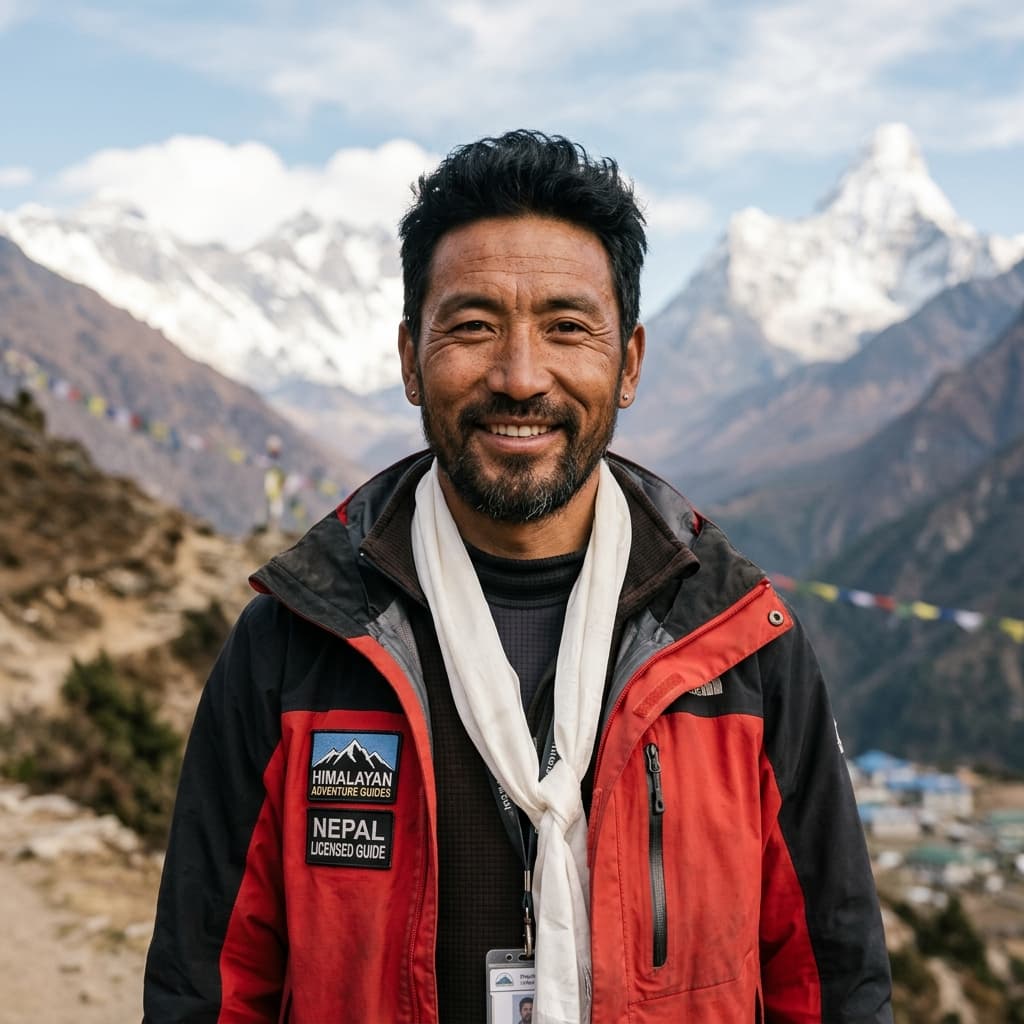
Written by Pemba Sherpa
Licensed Himalayan Specialist✓ Verified AuthorPublished directly by our local destination management desk in Thamel, Kathmandu. We design tailor-made private tours, trekking expeditions, and helicopter flights across Nepal with zero middleman markups.