
Skydiving in Nepal
Tandem freefall over the Annapurnas and Phewa Lake from 10,500 ft or 23,000 ft
Skydiving in Nepal means jumping over Pokhara, not Kathmandu — the valley's flat lakeside terrain and unobstructed Himalayan backdrop are what make it one of the only drop zones on earth where you freefall facing an 8,000m peak. Every jump is tandem, meaning you're harnessed to a certified instructor for the entire flight, freefall, and canopy ride, so first-timers make up the large majority of jumpers here. We handle the certificate booking, transport to the airstrip, and gear — you just show up and jump.
Why Book Your Skydiving in Nepal with a Local Team
A Drop Zone Built Around the View, Not Just the Jump
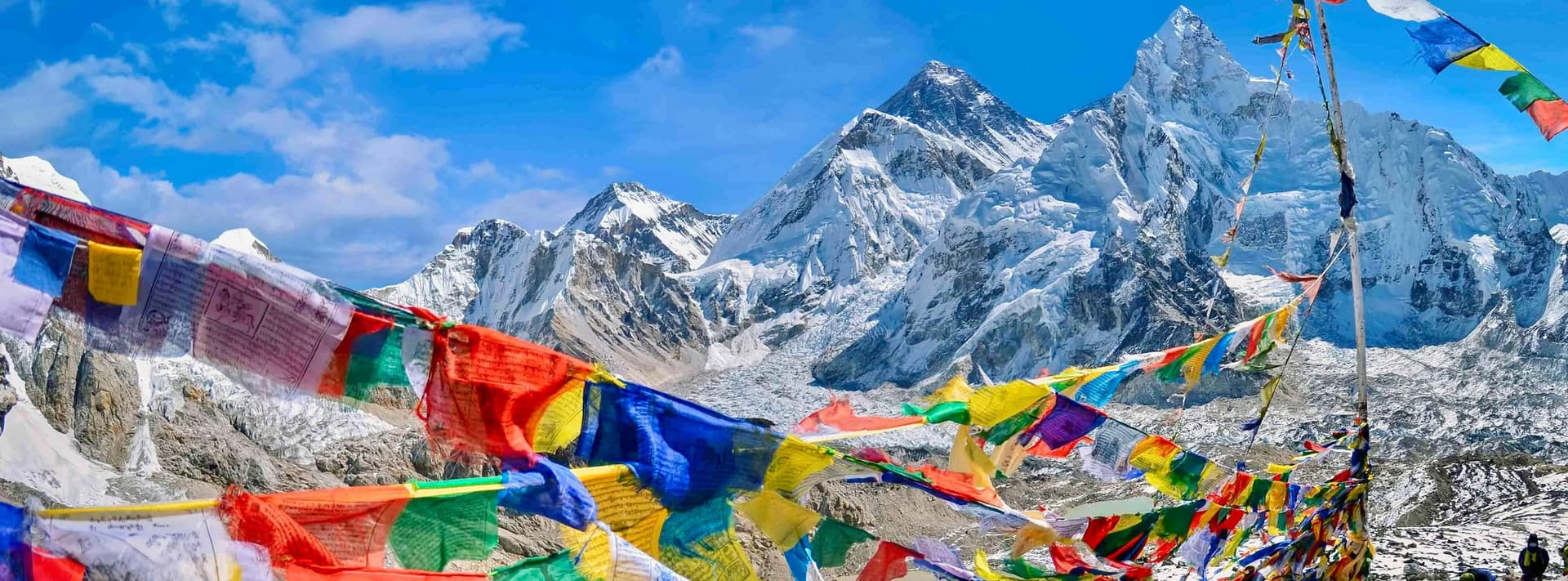
Pokhara's skydiving operates out of a small lakeside airstrip with the Annapurna range as the direct backdrop — Machapuchare (Fishtail), Annapurna I, II, and III, and Dhaulagiri are all visible from altitude on a clear day, along with Phewa Lake and the Pokhara valley below.
Certified Tandem Instructors, Full Safety Briefing Included
Every jump is tandem with a USPA or equivalent-certified instructor, preceded by a ground briefing covering body position, the freefall, and canopy landing — no prior experience, training, or license needed.
A Local Team That Manages Weather Delays Properly
Skydiving is entirely weather-dependent, and Pokhara's mountain weather can shift fast. Being based locally means we can shift your slot within your trip window rather than leaving you to renegotiate with a call center if a jump gets postponed.
Our Signature Skydiving in Nepal Package
Complete Skydiving in Nepal coordination, pre-flight briefing, safety protocols, and transfers.
Skydiving in Nepal Specifications
How the Experience Works
Morning briefing and gear fitting
⏱️ Duration: ~45 minArrive at the Pokhara operations office for a ground briefing on body position, hand signals, and the landing sequence, followed by harness fitting.
Flight to altitude
⏱️ Duration: 15–25 min depending on altitudeA short flight in a fixed-wing aircraft up to your chosen altitude (10,500 ft or 23,000 ft), with the Annapurna range visible through the open door as you climb.
Freefall and canopy ride
⏱️ Duration: 6–8 min totalExit, freefall, then a 5–7 minute canopy ride back down over Phewa Lake before landing at the drop zone.
Certificate and video handover
⏱️ Duration: ~20 minA jump certificate on landing, plus your photo/video package if booked, before transfer back to your hotel.
What’s Included & Excluded
- ✓Certified tandem instructor and full safety briefing
- ✓Return transport from your Pokhara hotel to the airstrip
- ✓Jump certificate
- ✓Gear and equipment for the jump
- ✕Photo and video package (available as an add-on)
- ✕Travel/adventure sports insurance (required — see below)
- ✕Meals
- ✕Hotel accommodation in Pokhara
More Ways to Experience Skydiving in Nepal
10,500 ft Standard Jump
The most-booked option — a shorter freefall at a lower cost, still with full Annapurna and Phewa Lake views on the descent.
23,000 ft High-Altitude Jump
The longest freefall available in Nepal, with supplemental oxygen during the climb — for jumpers who want the maximum time in freefall, not just the view.
Skydive + Paragliding Combo
Pairs a tandem skydive with a separate tandem paragliding flight over Pokhara on another day — two very different ways to see the same mountains.
Skydiving as Part of a Longer Nepal Trip
Add a jump to any Pokhara stop on a wider itinerary — see our full Nepal Tour Packages.
Safety & What to Expect
Weight, Age & Fitness Requirements
Most operators set a maximum weight limit (typically around 100 kg / 220 lb) and a minimum age of 18, with no upper age limit as long as you're in reasonable health and can walk to the aircraft unassisted. There's no fitness test — the instructor manages the technical parts of the jump.
Weather Dependency
Jumps run only in clear, low-wind conditions, so morning slots in the dry season (Sep–Nov, Mar–May) have the highest completion rate. Monsoon season (Jun–Aug) sees frequent postponements due to cloud cover over the mountains.
Insurance Requirements
Adventure sports insurance covering skydiving specifically is required by the drop zone before you jump — standard travel insurance often excludes it, so this is worth checking before you arrive rather than at the airstrip.
Is the High-Altitude Jump Worth the Extra Cost?
If freefall time itself is the draw, yes — the 23,000 ft jump roughly doubles your time in freefall compared to the 10,500 ft option. If the mountain views are the main motivation, the 10,500 ft jump already delivers those at a lower price.
Booking Logistics & Planning
Best Time to Jump
September–November and March–May offer the clearest skies and the highest chance your slot won't be weather-delayed. December–February is workable with good morning visibility before afternoon haze builds; June–August (monsoon) has the lowest completion rate and is best avoided if a jump is the main reason for your trip.
What a Nepal Skydive Typically Costs
Price is driven almost entirely by altitude — the aircraft time and oxygen required for the 23,000 ft jump make it substantially more expensive than the 10,500 ft option, while ground handling, instructor fees, and the certificate stay the same across both.
How Booking Works
Tell Us Your Dates & Altitude
Tell us your Pokhara dates and which altitude you're considering (10,500 ft vs 23,000 ft).
Weather-Slot Verification
We check current weather-slot availability and confirm timing within 24–48 hours.
Add Media or Combos
Add a photo/video package or a paragliding day if you want.
Confirm With Weather Buffer
Confirm with a deposit — your slot is booked with a same-trip weather buffer if needed.
What Travelers Say
“Didn't expect the mountains to actually be that close during freefall — the photos genuinely don't oversell it.”
“Our first slot got pushed a day for weather and they just moved it without any hassle instead of us having to chase anyone.”
Frequently Asked Questions
Ready to Book Your Skydiving in Nepal?
Choose your duration, get your questions answered, and fly with your group properly sequenced — through a local Kathmandu-based team.