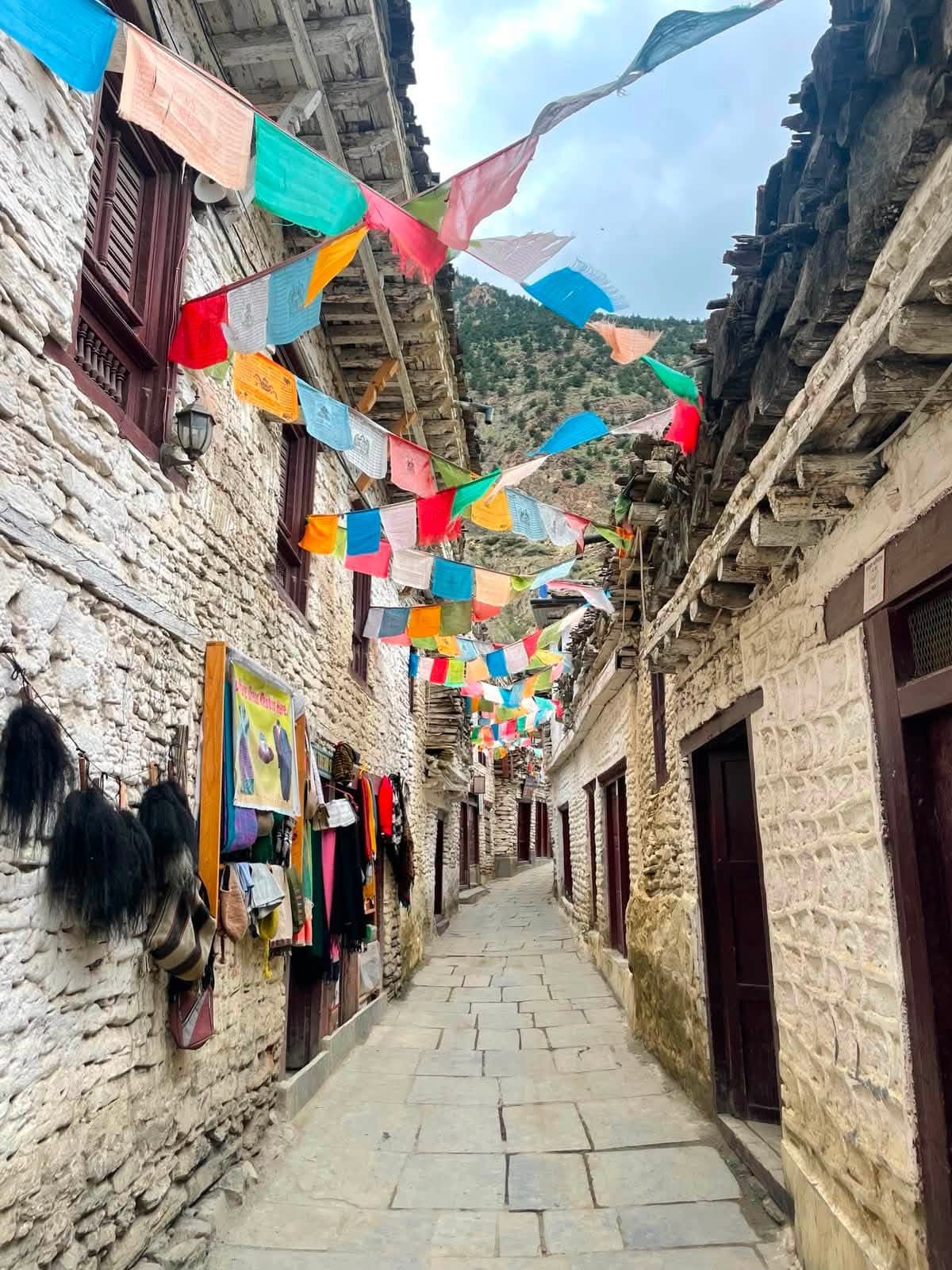
Best Time to Visit Nepal with Family: School Holiday Guide

The best time to visit Nepal with family depends on school holidays. October and early November are ideal, with clear mountain views and Dashain, but hotels book early. March and April are a strong second choice, with rhododendrons and an easy Poon Hill trek. December suits Pokhara and Chitwan, and February is quieter and cheaper. Summer falls in the monsoon, so plan around Upper Mustang or Chitwan. It also covers school calendars by country, children’s ages, altitude and insurance.
Planning a family trip to Nepal involves two sets of constraints that do not always align neatly. The school holiday calendar fixes the dates. Nepal's seasonal weather decides what the experience looks like within those dates. The two overlap well in some periods and poorly in others, and understanding which saves families from the common situation of arriving in Nepal during a period where the weather and the available activities do not match what the planning assumed.
This guide works through the main family travel windows that school calendars produce and explains honestly what Nepal delivers in each one.
Nepal's Seasons in Brief
Nepal's climate follows a monsoon pattern that divides the year into four distinct periods. Each has a different character for family travel.
October to November is the post-monsoon peak season. Clear skies, excellent mountain views, comfortable temperatures at most elevations, and the festival season of Dashain and Tihar in October. This is Nepal's best overall family travel window.
March to May is the pre-monsoon spring season. Warming temperatures, rhododendrons in bloom at mid-elevations, and good mountain visibility before the haze builds. A strong alternative to autumn, particularly in March and April.
December to February is the winter season. Cold in the hills, warm in the Terai lowlands, and hazy in the Kathmandu Valley. Works well for specific circuits combining the valley with Chitwan National Park.
June to September is the monsoon. Heavy rainfall across most of Nepal, mountain views obscured on most days, and some roads affected by landslides and flooding. Not recommended for most family itineraries.

Summer School Holidays: Late May, June, July, August
The longest and most flexible school holiday window for most Indian families, UK families, and many others falls squarely in the monsoon period. This is the honest complication at the centre of Nepal family travel planning.
Nepal in June, July, and August receives the bulk of its annual rainfall across most of the country. The Himalayan views that are the primary visual draw of Nepal's most celebrated destinations are behind clouds on most days. The Kathmandu Valley's heritage sites are accessible year-round regardless of weather, but the mountain viewpoints at Nagarkot and the Annapurna panorama from Pokhara are unreliable. Outdoor activities planned for the evenings at lakeside Pokhara frequently involve rain. Some mountain roads have higher landslide risk in this period.
However, this is not a blanket recommendation to avoid Nepal in summer. Several elements of a Nepal family trip work well or even better in the monsoon months.
Chitwan National Park in the monsoon is warm, green, and excellent for birdwatching. Wildlife is present year-round and the lush post-monsoon vegetation produces a different visual character from the dry-season version. The better lodges manage the rain professionally and the jungle experience in light monsoon rain has its own specific atmosphere. The major practical limitation is that the canoe ride on the Rapti River may be restricted during high-water periods.

The Kathmandu Valley's cultural sites are not weather-dependent in the same way. Bhaktapur's Durbar Square, the Boudhanath stupa, and Pashupatinath temple operate regardless of rain, and the reduced tourist volume of the monsoon months means these sites are accessible with less crowd pressure than October. For families with older children who have a genuine interest in culture and history, the monsoon Kathmandu Valley is a quieter and in some respects more authentic experience than the peak season version.
Upper Mustang is the specific exception that makes a summer Nepal family trip genuinely viable for families prepared for the logistics. The district's position in the rain shadow of the Annapurna and Dhaulagiri ranges means it receives significantly less monsoon precipitation than the rest of Nepal. The plateau landscape, Lo Manthang's medieval walled city, and the track through the Kali Gandaki gorge are all accessible in the monsoon in conditions that are significantly drier than anything in the Pokhara or Kathmandu valleys. The road logistics require more current local intelligence in the monsoon than in the dry season, but families who make the Upper Mustang trip in the summer holiday window find a destination that the rest of the world's tourists have largely left to itself.
The minimum practical requirement for an Upper Mustang trip with a family is children old enough to manage the altitude at Lo Manthang's 3,840 metres and the travel time from Pokhara to the district. For most families with children above ten years, this is achievable with appropriate preparation. Younger children require more careful altitude management and honest assessment of their capacity for the journey's demands.
Autumn Half Term and Diwali Holidays: October and Early November
This is the window where school holiday timing and Nepal's best conditions align most cleanly. October specifically is Nepal's best overall month for family travel.
The monsoon has finished by early October, the air quality across the country is at its best, and the mountain views from Pokhara and Nagarkot that photographs of Nepal are built from are at their clearest. Temperatures at most family-relevant elevations are comfortable: warm enough for outdoor activity during the day, cool enough for comfortable sleeping at night. The festival of Dashain, Nepal's biggest celebration, falls in early to mid-October on the lunar calendar. Families visiting Nepal during Dashain encounter a country in festive mode, with kite flying, family gatherings, and the specific colour and activity of the festival visible in every town.

The practical challenge is accommodation availability. October in Nepal is the peak of the tourist season and the most in-demand period for the country's best family hotels. Heritage properties in Kathmandu, the better lodges in Chitwan, and the lakeside hotels in Pokhara with mountain views all require advance booking, often two to three months ahead for the specific rooms that make the difference between a good stay and an excellent one. Families who plan Nepal in October with a six-week booking window frequently find their first accommodation choices unavailable and are working through the alternatives.
Early November extends the October conditions with slightly lower tourist volumes. The festival energy of October has passed but the weather and mountain views remain excellent. November is the better month for families who want October's conditions with less competition for accommodation and more space at the viewpoints.
UK families have an autumn half term in late October, which falls in the heart of the best Nepal season. A ten-day Nepal family trip centred on the half term window, with one or two days either side if the school calendar allows, covers the Kathmandu Valley, Pokhara, and Chitwan in optimal conditions.
Christmas and New Year Holidays: Late December and Early January
Christmas and New Year school holidays produce a Nepal family trip that works well in some respects and requires specific management in others.
The Kathmandu Valley in late December is cold and often hazy. The mountain views from Nagarkot and the valley rim that define the autumn season are frequently obscured by the winter temperature inversion that traps pollution in the valley. The heritage sites of Kathmandu, Patan, and Bhaktapur are accessible and uncrowded, and the cooler temperatures actually suit extended outdoor exploration better than October's warmer days. But the mountain photography that most families picture from a Nepal trip is less reliable in December than in October or April.
Pokhara in December is generally clearer than Kathmandu because its position south of the main Himalayan barrier keeps it outside the worst of the valley haze. The Phewa Lake and Annapurna combination that makes Pokhara Nepal's most photographed destination works in December in a way that the Kathmandu Valley views do not always match. A December family itinerary that leads with Pokhara rather than Kathmandu, heading to the valley at the end of the trip when the cultural sites rather than the mountain views are the priority, makes better use of what December delivers in each location.
Chitwan National Park in December and January is excellent for families. The Terai lowlands where Chitwan sits are meaningfully warmer than the hill stations, the dry season vegetation makes wildlife spotting easier as the vegetation thins, and the one-horned rhinoceros encounters that Chitwan produces year-round are at their most predictable in the dry season when the rhinos concentrate around the river systems. A Christmas holiday Nepal circuit that combines Kathmandu for the cultural dimension, Pokhara for the mountain views, and Chitwan for the wildlife works as a family structure in December in a way that the haze-affected Nagarkot viewpoint alone would not.
For families observing Christmas specifically, Nepal's main tourist hotels in Kathmandu and Pokhara recognise the date with dining events and decorations that the Christmas market in a Western city does not, but that provide the social occasion that families travelling abroad on Christmas Day appreciate.
Winter Half Term: February
The February half term that UK and some Indian school calendars produce falls in a Nepal month that is genuinely good for family travel in ways that the Christmas holiday is not.
February is the beginning of Nepal's transition from winter to spring. The worst of the Kathmandu Valley winter haze is starting to clear. The rhododendrons are beginning at lower elevations. The days are warming toward the pleasant March conditions that make spring the second recommended season. The mountain views from Pokhara are improving as the winter haze recedes.
February is also the month of Losar, the Tibetan New Year, which falls in late January or February on the Tibetan lunar calendar. The Tibetan Buddhist communities of Boudhanath in Kathmandu celebrate Losar with monastic ceremonies, colour, and communal activity that families find both culturally engaging and visually rewarding. A February Nepal family trip that includes a Losar day at Boudhanath encounters the stupa and its surrounding community in celebration mode that the standard calendar visit does not produce.
The practical advantage of February as a family travel month is the same as November: the conditions are good without the October and March peak-season competition for accommodation and activities. Prices are lower, availability is better, and the experience of Nepal's main sites is less crowded.
Spring School Holidays: Late March and April
Easter and spring school holidays, which fall in late March and April for most UK and European families and overlap with Indian school holiday periods, correspond with one of Nepal's two recommended travel seasons.
March and April bring the rhododendron bloom to Nepal's mid-elevations, and the combination of flowering forest and snow-peak backdrop that this season produces is genuinely different from the autumn version. The Annapurna Conservation Area's wildflower season is underway, which adds colour to any foothills walking that the family itinerary includes. The temperatures are warm and becoming warmer, which suits outdoor activity at both lake level in Pokhara and the lower approach routes in the Annapurna foothills.

For families with children who can manage a short mountain trail, the pre-dawn walk to Poon Hill above Ghorepani for the Himalayan sunrise is the specific Nepal experience that families consistently report as the highlight of the trip. The trail from Nayapul to Ghorepani is achievable in two walking days for children above eight with reasonable fitness, and the Annapurna panorama from Poon Hill at sunrise in clear spring air is the view that justifies the climb. A three-night foothills walking addition to a Pokhara base stays within reach of the helicopter extraction that Nepal's terrain requires to be aware of for family safety purposes, without requiring the permit and altitude management of the higher Himalayan routes.
Holi, the colour festival, falls in late February or early March on the lunar calendar. Families visiting Nepal around Holi encounter the celebration in Kathmandu and Pokhara as a street festival of colour powder and water that children find immediately engaging. The timing varies by year and requires checking the specific date against the planned arrival.
Matching Specific Schools to the Best Nepal Windows
Different school systems produce different holiday windows, and the overlap with Nepal's seasons varies.
Indian school holidays typically produce a long summer break from May to June, Diwali holidays in October, Christmas holidays in December, and a shorter break in March. The October Diwali window aligns almost perfectly with Nepal's best season and is the clear recommendation for Indian families. March is the second choice. The summer break falls in the monsoon and requires the Upper Mustang or Chitwan-led itinerary described above. This can be a good time to plan your Nepal tour package from India.
UK school holidays produce October half term, Christmas holidays, February half term, Easter, and the long summer break. October half term is the best Nepal alignment. Easter and February half term are good secondary options. The summer holiday falls in the monsoon and requires the same management as for Indian families.
Australian school holidays produce terms that divide the year into four, with the long summer break falling in December and January. The December-January window is the most common Australian family Nepal trip period and works well with the Chitwan-led circuit described above.
US school calendars typically produce a long summer break and shorter breaks around Thanksgiving and Christmas. The Thanksgiving week in late November falls late in Nepal's autumn season and catches the tail of the excellent November conditions. The summer break falls in the monsoon.
What Works for Children at Different Ages
The honest assessment of Nepal's family travel suitability changes with the children's age.
Under five: The Kathmandu Valley's heritage sites, Pokhara's lakeside, and Chitwan's wildlife viewing are all accessible with young children in the way that most active travel is not. The practical challenges are altitude above 2,000 metres, which requires monitoring for altitude effects in young children who cannot reliably communicate how they feel, and the infrastructure unpredictability of power cuts and road conditions. Families with children under five are best served by a circuit that stays at moderate elevation and uses the better hotels in each location.
Five to ten: This age group gains significantly more from the cultural sites, the wildlife encounters, and the shorter viewpoint walks that Nepal offers. Poon Hill is achievable for fit ten-year-olds. The Chitwan jungle walk with an experienced naturalist guide produces the wildlife encounter that this age group remembers most clearly. The Boudhanath stupa circumambulation and the Bhaktapur Durbar Square at early morning are cultural experiences that genuinely engage children in this range rather than simply tolerate them.
Above ten: The full range of Nepal's family travel options becomes available. Short Himalayan treks, the Upper Mustang circuit by jeep, and the cultural depth of the Kathmandu Valley's heritage sites are all within reach. This is also the age group for whom Nepal's specific combination of cultural, wildlife, and mountain experiences becomes memorable rather than simply experienced.
Practical Family Travel Tips for Nepal
Altitude: The most consistent practical consideration for families in Nepal. The Kathmandu Valley at 1,400 metres and Pokhara at 800 metres present no meaningful altitude challenge for children. Nagarkot at 2,195 metres requires a day of adjustment for children who have not previously been at altitude. The Annapurna foothills above 3,000 metres and the Upper Mustang plateau at 3,840 metres require honest altitude planning and conservative acclimatisation that the family's specific children's ages and fitness inform.
Vaccinations: Check with a travel health clinic before Nepal with the full family. Standard recommendations typically include Hepatitis A and B, Typhoid, and ensuring routine vaccinations are current. Malaria prophylaxis may be recommended for the Chitwan Terai in certain seasons depending on current advice.
Travel insurance: Essential for Nepal family travel, covering helicopter evacuation for altitude or trekking incidents specifically. Verify that the family policy covers children for all planned activities, including any trekking or wildlife activities.
Food: Nepal's food is generally well-tolerated by Indian families given the dietary similarities. Families from further afield find that the tourist restaurant circuit in Kathmandu and Pokhara covers the major cuisines adequately, and the dal bhat that is Nepal's staple is genuinely nutritious and broadly palatable to children.
Accommodation for families: The better Kathmandu and Pokhara hotels have connecting room arrangements and family suite options that the standard room configuration does not provide. Request connecting rooms or a family suite explicitly at the time of booking rather than assuming the configuration will be accommodated at check-in.
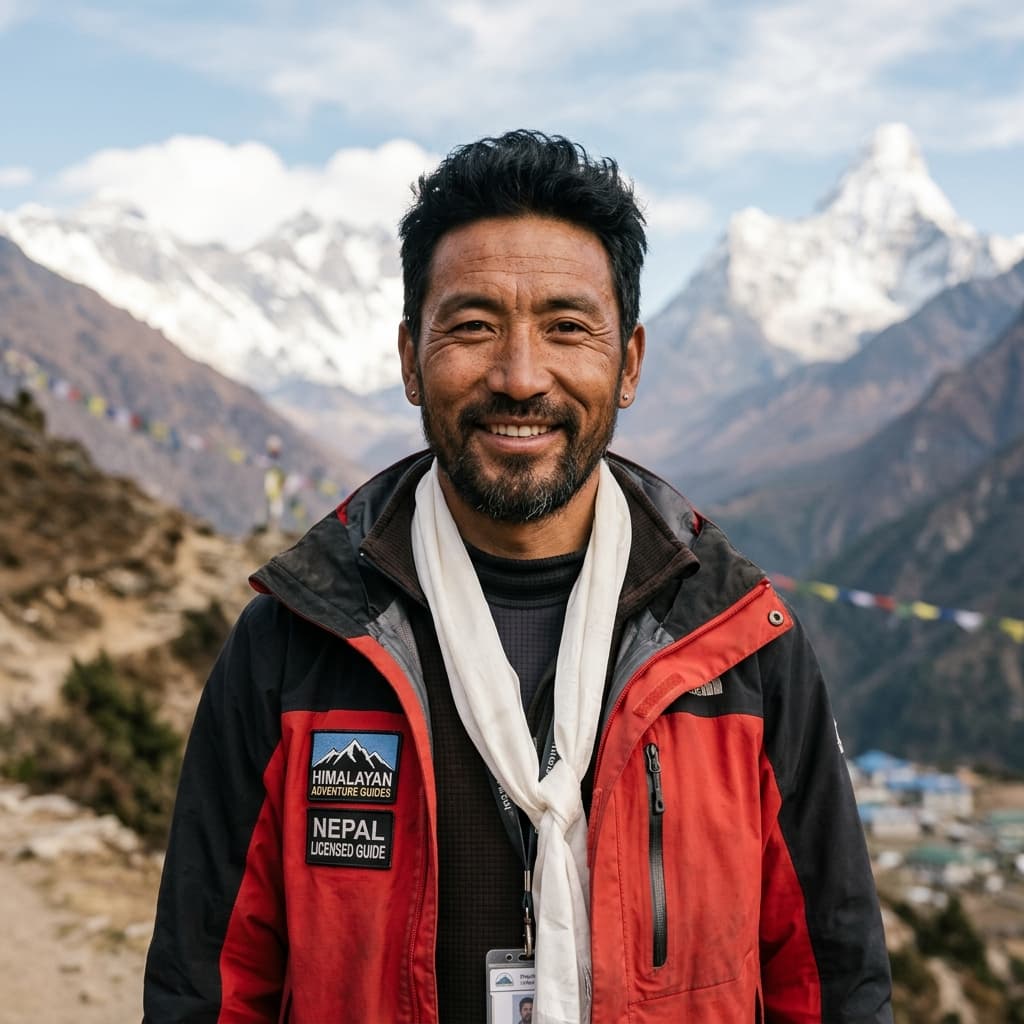
Written by Mingma Sherpa
Licensed Himalayan Specialist✓ Verified AuthorPublished directly by our local destination management desk in Thamel, Kathmandu. We design tailor-made private tours, trekking expeditions, and helicopter flights across Nepal with zero middleman markups.