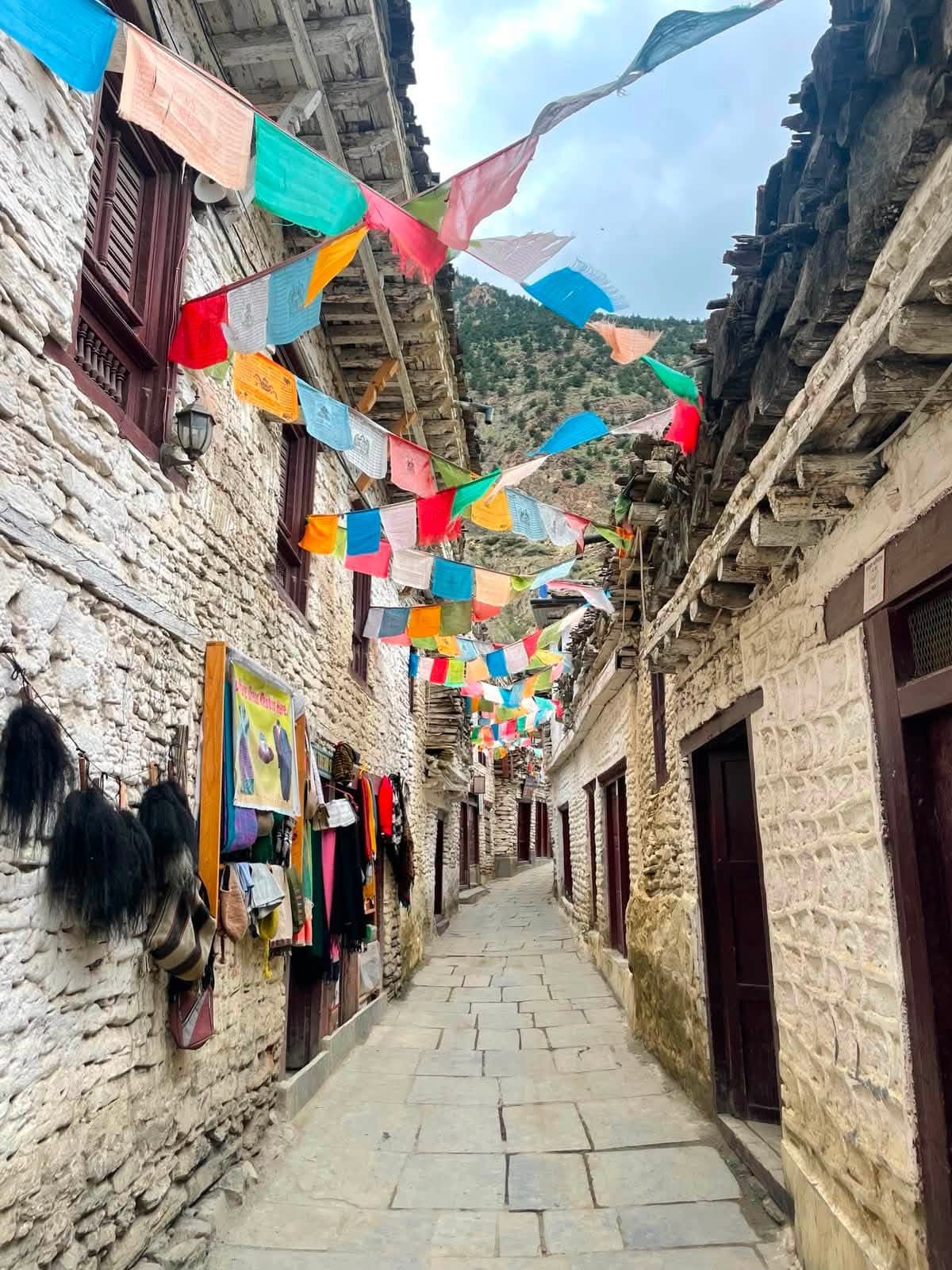
Best Time to Visit Kathmandu: Month-by-Month Guide

A month-by-month guide to the best time to visit Kathmandu, covering weather, mountain views, festivals, crowds, and travel costs to help visitors choose the ideal travel season.
Kathmandu sits at 1,400 metres in a valley ringed by hills that collect haze, trap pollution in winter, and catch monsoon clouds in summer. Its climate is more variable, and more location-specific, than the single-destination guides usually represent. The best time to visit Kathmandu depends on what you are coming for, because the month that produces the best mountain views is not necessarily the best month for the cultural festivals, which is not necessarily the best month for comfortable walking weather, which is not the same as the month with the best accommodation prices.
This guide goes month by month with what Kathmandu actually delivers rather than what the promotional version suggests.
January
January is Kathmandu's coldest month and the one most affected by the temperature inversion that traps pollution in the valley through the winter. On cold, still days the haze sits low over the city and the mountain views from the alley rim viewpoints at Nagarkot and Chandragiri are obscured. On the days when a cold front moves through and clears the air, the views are sharp and the city is at its quietest.
Tourist volume in January is low, which has specific advantages. The heritage sites of Bhaktapur, Patan, and the Kathmandu Durbar Squares are accessible with minimal crowd pressure. The better hotels offer their most competitive pricing of the year. Restaurants are available without the reservation anxiety of October.
The cultural calendar in January includes Maghe Sankranti in mid-January, a Hindu festival marking the transition of the sun into Capricorn and associated with ritual bathing at river confluences. The Bagmati River ghats near Pashupatinath are the specific Kathmandu location for this festival and worth visiting on the day for the pilgrimage activity it generates.
The practical limitation is cold. Mornings in Kathmandu in January require a proper jacket. The old city exploration that most visitors structure around outdoor walking is more pleasant from mid-morning to mid-afternoon than in the early morning or evening cold.
Best for: Budget travellers, cultural site visits without crowds, the specific aesthetics of winter-quiet Kathmandu
Mountain views: Unreliable due to winter haze
Temperature range: 2°C to 18°C
February
February is the transition month from winter to early spring and is an underrated time to visit Kathmandu. The coldest nights are past. The haze that defines January begins to clear toward the end of the month as temperatures rise and the atmospheric conditions that produce the inversion shift. The rhododendrons at lower elevations around the valley rim begin to show colour from late February in good years.
The Tibetan New Year, Losar, falls in late January or February depending on the Tibetan lunar calendar. The Tibetan Buddhist community centred on Boudhanath Stupa celebrates Losar with ceremonies, colour, and communal activity that gives Boudhanath a specific festival character in this period. The monastery rooftops around the stupa are occupied by monks performing pujas, the surrounding streets carry the smell of juniper incense burned in large quantities, and the general activity around the stupa is at a level that the standard calendar visit does not produce.
Maha Shivaratri falls in February or March and is the most significant annual celebration at Pashupatinath temple. Sadhus, Hindu holy men, arrive from across India and Nepal for the festival, camping on the temple ghats and performing rituals through the night. The atmosphere around Pashupatinath on Shivaratri evening is unlike anything the temple produces on ordinary days and is one of the more extraordinary cultural encounters available in Kathmandu at any time of year. The crowds are large but manageable with an early arrival.
Best for: Festival culture, quieter heritage sites, improving conditions at lower prices than peak season
Mountain views: Improving but still variable
Temperature range: 4°C to 22°C

March
March is the beginning of the prime spring season and one of the two best months to visit Kathmandu. The haze that affects January and February has cleared significantly. The rhododendrons are in flower at the valley rim elevations and on the hillsides above the city. The temperature is comfortable throughout the day for outdoor exploration without the heat that May brings.
The mountain views from Nagarkot, Chandragiri, and the other valley rim viewpoints are reliable in March in a way that winter months cannot match. The pre-dawn drive or ride to a viewpoint in March, with the Himalayan range from Ganesh Himal to Everest appearing as the sky lightens, is the specific Kathmandu experience that the mountain view guides are built around and that the weather most consistently delivers in this month.
Holi falls in late February or March on the lunar calendar. The festival of colour has a specific Kathmandu character, enthusiastically celebrated in the open squares and streets of Thamel and around Basantapur, that visitors who have experienced Holi in India find similar in spirit and different in scale. The festival generates a specific street atmosphere for the day that transforms the standard Kathmandu experience into something distinctly festive.
Best for: Mountain views, spring hiking in the valley surroundings, Holi festival, rhododendron season beginning
Mountain views: Good to excellent
Temperature range: 9°C to 26°C
April
April is the other peak spring month and consistently produces Kathmandu's most comfortable overall conditions. The rhododendrons are at mid and upper elevations in full bloom. The temperature is warm through the day without the heat that May brings to the valley. The mountain views remain good, though the haze begins to build toward the end of the month as the pre-monsoon heat increases.
The Nepali New Year falls on April 14 or 15 by the Bikram Sambat calendar. New Year in Kathmandu is a civic and cultural celebration with processions, performances, and general festivity in the main squares, particularly in Indra Chowk and around the Durbar Square area. It is less internationally known than Dashain or Tihar but gives the city a specific animated character for the week around it.
Bisket Jatra in Bhaktapur, which may fall in April depending on the calendar, is one of the most visually dramatic festivals in the Kathmandu Valley. The festival centres on the chariot procession of Bhairab and Bhadrakali through Bhaktapur's old city and the raising of a large ceremonial pole in Khalna Tole. The chariot procession through the medieval lanes of Bhaktapur is the specific visual spectacle that makes Bisket Jatra worth timing a visit around.
Best for: Best overall weather, rhododendrons at peak, valley rim hiking, Nepali New Year
Mountain views: Good, softening toward month's end
Temperature range: 12°C to 29°C

May
May marks the transition from spring to pre-monsoon and the beginning of the conditions that make Kathmandu less appealing as the primary destination. The temperature rises to levels that make afternoon walking in the old city tiring rather than pleasant. The haze that builds through the pre-monsoon period reduces the mountain views significantly. The first pre-monsoon storms arrive from late May onward, brief and dramatic, but unpredictable in their timing.
The Buddha Jayanti festival, marking the birth, enlightenment, and death of Gautama Buddha according to the Theravada tradition, falls on the full moon of the lunar month of Baisakh in May. Boudhanath Stupa and Swayambhunath are the main Kathmandu centres of the celebration. The stupa at Boudhanath on Buddha Jayanti is circled by pilgrims from before dawn, the monastery bells and pujas continue through the morning, and the atmosphere around the stupa is the specific festival character of the Tibetan Buddhist community at one of its most significant annual occasions.
May works better as a transit month than as a Kathmandu-focused destination. Travellers heading to Upper Mustang for the Tiji Festival, which typically falls in May, pass through Kathmandu in this month with the cultural sites as a component of a broader circuit rather than the primary destination.
Best for: Buddha Jayanti at Boudhanath, transit to upper Himalayan routes, fewer tourists than April
Mountain views: Poor to moderate due to haze
Temperature range: 16°C to 32°C
June
The monsoon arrives in Kathmandu in early June, typically between June 10 and 15, and the character of the city changes immediately. The sustained heavy rain of the Nepali monsoon, which can deliver 200mm in a single day, fills the streets, creates surface flooding in the lower-lying areas, and makes the outdoor exploration that Kathmandu's heritage sites require genuinely wet rather than merely occasionally damp.
The mountain views from the valley rim disappear behind monsoon cloud on most days. The Nagarkot sunrise, the Chandragiri cable car view, and the other viewpoint experiences that define Kathmandu's mountain tourism are essentially off the itinerary during the monsoon months.
What the monsoon does not affect is the cultural sites themselves. The Durbar Squares of Kathmandu, Patan, and Bhaktapur are accessible in the rain. The temple complexes are active. The Newari urban fabric of the old cities is, in some respects, more atmospheric in soft monsoon rain than in bright dry-season sunlight, the water-darkened brick and carved wood taking on a depth of colour and texture that dry conditions flatten.
The tourist infrastructure of Kathmandu, hotels, restaurants, and guides, is at its most available and least pressured in June. Accommodation rates are at their annual low. For travellers whose primary Kathmandu objective is the cultural and heritage dimension rather than the mountain views, June is an undervalued month.
Best for: Cultural sites without crowds, lowest prices of the year, Kathmandu's monsoon atmosphere
Mountain views: Generally poor
Temperature range: 19°C to 29°C
July and August
July and August are the full monsoon months and Kathmandu's least visited period. The rain is sustained and heavy rather than merely regular. The streets that were manageable in June become routinely flooded in the lower sections. The heat is humid rather than the dry warmth of spring, and the combination of heat and humidity makes the outdoor walking that cultural sightseeing requires genuinely uncomfortable in the mid-afternoon.
The Janai Purnima festival falls on the full moon of Shrawan, typically in August. At Pashupatinath and at the sacred lakes of the region, particularly at Gosaikunda above the valley at 4,380 metres, the festival draws pilgrims from across Nepal for a ritual bathing and thread ceremony. The Gosaikunda festival is one of the more dramatic pilgrimage events in Nepal's calendar but requires trekking access that the monsoon makes more demanding than at other times of year.
Gai Jatra, the Festival of Cows, falls in July or August in Kathmandu and specifically in Bhaktapur where it is celebrated with the most theatrical intensity. Families who have lost a member in the past year parade through the city in processions that combine mourning with comedy in a specific and culturally distinctive combination. The processions through Bhaktapur's old city streets on Gai Jatra are the event that the festival calendar produces and that the absence of many international tourists in August means is experienced in a more local context than the October festivals receive.
Best for: Very lowest prices, Gai Jatra in Bhaktapur, genuinely local Kathmandu atmosphere
Mountain views: Poor
Temperature range: 20°C to 29°C

September
September is the monsoon's final month and the transition toward the conditions that make October the best month of the year. The early part of September carries the full monsoon character. The second half of September sees the rain reducing in frequency and intensity, the cloud beginning to break, and the first glimpses of the Himalayan range that October will reveal fully.
Indra Jatra, one of Kathmandu's most significant festivals, falls in late August or September. The festival celebrates Indra, the god of rain and the sky, and includes the display of the Living Goddess, the Kumari, who is carried through the streets of the old city in a chariot procession that the President of Nepal traditionally attends. The Kumari chariot procession through Kathmandu's old city streets is the festival's specific visual centrepiece and one of the more extraordinary religious-cultural spectacles in the Kathmandu calendar.
The Newari cultural dimension of Indra Jatra, the specific ceremonies of the Newar community who are the indigenous cultural architects of the Kathmandu Valley, gives the festival a depth and specificity that the internationally known festivals like Dashain do not have in the same concentrated form.
Late September, from around the 20th onward in most years, begins to approach the October conditions. The mountain views start returning. The air quality improves. A visit timed for the last week of September catches Indra Jatra and the improving conditions simultaneously.
Best for: Indra Jatra festival, improving conditions from mid-month, lower prices than October
Mountain views: Poor early, improving later
Temperature range: 19°C to 28°C
October
October is the best month for your Kathmandu tour package by most measures simultaneously. The monsoon has finished, the air has been washed completely clean, and the mountain views from the valley rim are at their clearest of the entire year. Temperatures are comfortable throughout the day. The cultural calendar produces Dashain, Nepal's most significant festival, in early to mid-October on the lunar calendar.
Dashain is not primarily a spectacle for visitors. It is a family festival in which Nepali families return home, visit elders, receive tika blessings, fly kites, and observe the ten-day ritual calendar of the festival. The city has a specific animated energy during Dashain that is different from the year-round character. The kite flying in the open spaces of the valley, the carnival rides that appear in the main squares, and the specific smell of festival foods being prepared in the neighbourhoods give October Kathmandu a quality that no other month replicates.
Tihar, the festival of lights, follows Dashain approximately two weeks later and extends the festival season into early November. The city's streets and buildings are decorated with oil lamps and coloured lights for the five-day festival, and the specific Kathmandu experience of walking through Thamel or the old city lanes during Tihar, with lights on every building and the smell of incense from every doorway, is the festival-city encounter that the year builds toward.
The tourist volume in October is the highest of the year. Accommodation in the most sought-after properties books out months in advance. The Nagarkot viewpoints are shared with significant numbers of other visitors. Prices reflect the demand.
Best for: Best weather of the year, mountain views, Dashain and Tihar festivals, overall Nepal experience
Mountain views: Excellent
Temperature range: 12°C to 27°C

November
November extends October's excellent conditions with progressively lower tourist volumes as the month advances. The mountain views remain very good through most of November, declining slightly in quality from October's peak as the air begins to dry and a light haze starts to build. Temperatures cool noticeably by late November, with mornings and evenings requiring jackets at the valley's 1,400-metre elevation.
The Mani Rimdu festival, held at the Sherpa monasteries of the Khumbu region northeast of Kathmandu, falls in October or November on the Tibetan Buddhist calendar. It is not a Kathmandu festival but it is the major cultural event of the autumn season for travellers combining Kathmandu with the Everest region.
November's advantage over October for visitors who have flexibility is the accommodation availability and pricing. The properties that were fully booked in October have availability in November. The Nagarkot sunrise viewpoint has fewer other headlamps visible in the pre-dawn walk. The Bhaktapur Durbar Square at 8 a.m. is more accessible. The specific experience of being in a significant place with fewer other visitors is something the October crowd cannot offer.
Best for: October's conditions with lower crowds, autumn lighting at heritage sites, comfortable walking weather
Mountain views: Very good, slight haze beginning by late November
Temperature range: 7°C to 24°C
December
December brings the winter conditions back to the Kathmandu Valley. The temperature inversion that will dominate January and February is beginning. The mountain views that were reliable in October and November become variable and on bad days are absent behind a layer of winter haze.
The cultural sites of Kathmandu continue to function regardless of weather and are less crowded than October. The winter character of the old cities, with fewer visitors and the specific quality of low winter light on ancient brick and carved wood, is preferred by some travellers over the peak-season version.
Christmas in Kathmandu is observed by the international community and the tourism infrastructure. The major hotels and tourist restaurants mark the date. For travellers whose honeymoon or family trip falls over the Christmas period, the Kathmandu hotels offer the occasion professionally without the specific Christmas atmosphere of countries where the festival is a cultural cornerstone.
Pokhara in December performs better than Kathmandu for mountain views because it sits outside the worst of the valley haze. Families or couples spending the December holiday period in Nepal often find a Pokhara-led itinerary more satisfying than a Kathmandu-led one for this specific reason.
Best for: Uncrowded cultural sites, heritage district quiet-season character, combined with Pokhara or Chitwan for the full circuit
Mountain views: Variable, often poor due to haze
Temperature range: 3°C to 20°C
The Quick Summary
The Honest Bottom Line
October is the best month to visit Kathmandu and the evidence for this across every relevant metric is clear enough that recommending anything else as the first choice requires a specific reason. If October is not available and March or April is, that is the recommendation. If neither window is available and November is possible, November is an excellent option.
The honest cases for the other months are real but narrower. February for Losar and Shivaratri. September for Indra Jatra. August for Gai Jatra in Bhaktapur. June through August for the specific traveller who wants the cultural sites without crowds and without mountain views at the lowest price of the year.
The months to approach with realistic expectations are January and the monsoon period. Both have specific things to offer. Neither offers what October delivers.
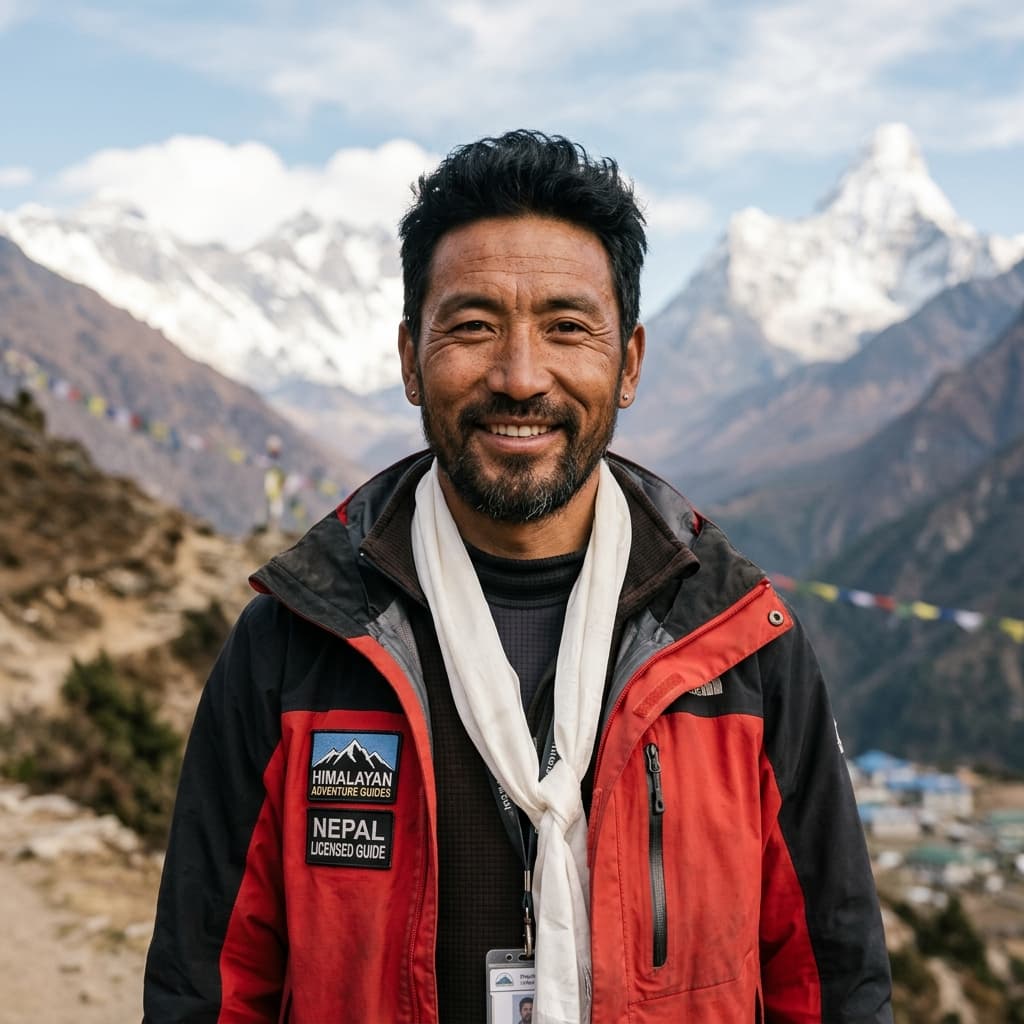
Written by Pemba Sherpa
Licensed Himalayan Specialist✓ Verified AuthorPublished directly by our local destination management desk in Thamel, Kathmandu. We design tailor-made private tours, trekking expeditions, and helicopter flights across Nepal with zero middleman markups.